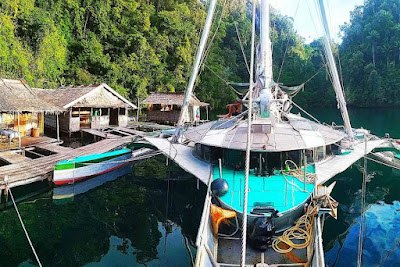
Raja Ampat Snorkeling Onboard Big Kanu
With a private charter on board you’ll decide your own schedule and snorkel Raja Amapat’s most abundant reefs. Big Kanu offers the most luxurious liveaboard facilities in Indonesia and you won’t need to take into account anyone else’s schedule other than your own.
Private charters on board allow you to go where you want, when you want, so you’ll be able to explore the sites around the Dampier Strait, the Fam Islands, Misool and more. Your friends, family and loved ones will experience the 5 star floating hotel luxury that only El Aleph can offer. This is a Raja Ampat snorkeling cruise like no other. Combine your Raja Ampat snorkeling with treks through lush tropical rainforest, look out for birds of paradise, make footprints on virgin white sand beaches, watch the sunset in the evening and enjoy star-studded skies from on deck. Raja Ampat is heaven on earth and
Raja Ampat Snorkeling Sites
Cape Kri
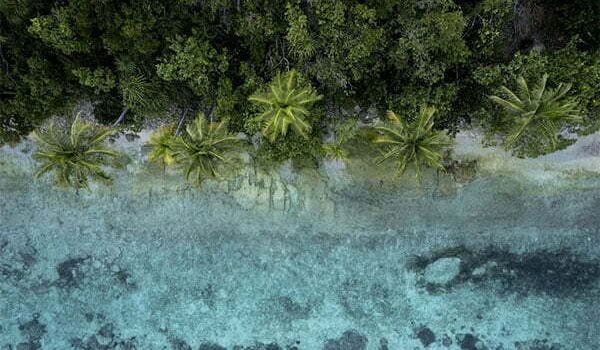
Cape Kri is where the fish expert, Dr. Gerald Allen is famously reported to have counted 374 species of fish in one single scuba dive – but you don’t need to scuba dive to witness the extraordinary abundance and diversity of marine life here. Cape Kri is truly the jewel in the crown of Raja Ampat snorkeling, this coral garden is bursting with colour and teeming with life.

Whale Rock
Craggy and rugged above the water but with layers of schooling fish it is full of color and life beneath. One of the highlights of Whale Rock is the shallow water soft coral garden; both coral and fish are abundant. Large green turtles are often seen here as are vast schools of red toothed trigger fish out in the blue. Damsels and brightly colored antheas adorn the shallow water corals; colourful and jewel-like against the backdrop of the blue.

Fiabacet
Fiabacet has abundant soft corals, an array of mixed fans and impressive schools of juvenile fusiliers, surgeon fish and damsels glittering like colourful gems in the sun. This site typifies some of the best traits of Raja Ampat snorkeling, the soft corals grow densely and a wide variety of species is showcased.
It is in the shallows that Fiabacet really comes to life – colourful tubers, fans and sea squirts cover the reef crest whilst damsel fish and fairy basslets catch the light from the sun as they dart in and out of the reef. Breathtaking scenery with an abundance of life that is hard to match.

Gorgonian Passage (AKA Wayilbatan)
This stunning Raja Ampat snorkeling site takes its name from the vast sea fans which make this a breath taking spot. Gorgonian passage is a narrow passage running North to South between the islands of Wayilbatan and Walib. The fans are the reason for snorkeling here and will impress even the most seasoned of snorkelers. Some of the fans to the north of the site stretch to almost 3 meters across! Although the fans are clearly the highlight of this Raja Ampat snorkeling spot, there is other notable marine life including bat fish, sweetlips and schools of glassfish hide out behind and in the fans.

Nudi Rock
The site is given its name due to the shape and appearance of the rock pinnacle which is visible from the surface and resembles a nudibranch. From the surface down, the waters here are packed with fish, from fusiliers to triggerfish and schooling bannerfish. Look out for larger species passing through, both barracuda and white tip reef sharks are frequent visitors here.

Manta Sandy
No Raja Ampat snorkeling experience would be complete without a visit to Manta Sandy! As the name suggests, this is a shallow snorkeling site with a white sandy bottom. Manta rays come here to make use of the large rocks which serve as ‘cleaning stations’. The mantas will literally queue up and take their turn to swim up the rock and hover at the top of it. For the small cleaner fish that inhabit the rock, this is feeding time! They will ‘clean’ the manta rays gills, around their eyes and their mouths, as well as around any wounds. The cleaner fish feed on the parasites the manta is carrying and in return, the manta ray is cleaned. This is a wonderful demonstration of symbiosis!
Why Choose El Aleph
for Raja Ampat Snorkeling Cruises
With a private charter on board El Aleph you’ll be able to explore Raja Ampat’s most iconic snorkeling sites at leisure. Enjoy cruising around this remote location and pick when and where you’d like to snorkel. In between snorkeling sessions relax on deck and experience the luxurious facilities that only El Aleph can offer.
The boat was built to be enjoyed by her owner who has a keen eye for detail, an appreciation of the finer things in life and who wanted a vessel which offered unprecedented luxury, space and comfort. As a result, El Aleph was built to the highest specifications possible, with no expense being spared. When we describe the living space on board as luxury, it’s not something we say lightly.
When exploring a region that is as unique as Raja Apat, why compromise on comfort or limit your opportunities to discover all that is on offer? Our onboard service is nothing short of exemplary. A bespoke cruise onboard enables our discerning clientele to venture to some of the most remote corners of the archipelago. Leave the land, and other vessels behind as you set sail in lavish, yet tasteful luxury.
Big Kanu has been beautifully handcrafted in 100-year old teak and ironwood, every feature has been thoughtfully incorporated to ensure a lavish design and layout unsurpassed by any other Phinisi schooner ever built. From the polished wood finish to the state-of-the-art electronics and navigation suite no aspect has been left to chance in ensuring your comfort, safety and enjoyment during your exclusive Raja Ampat snorkeling cruise. For more detailed information view our full vessel specifications.
If you have a taste for adventure and don’t want to compromise on the finer things in life, then a bespoke Raja Ampat snorkeling cruise onboard el Aleph guarantees unparalleled service, luxurious and spacious cabins, privacy, and of course – an incredible adventure from start to finish.